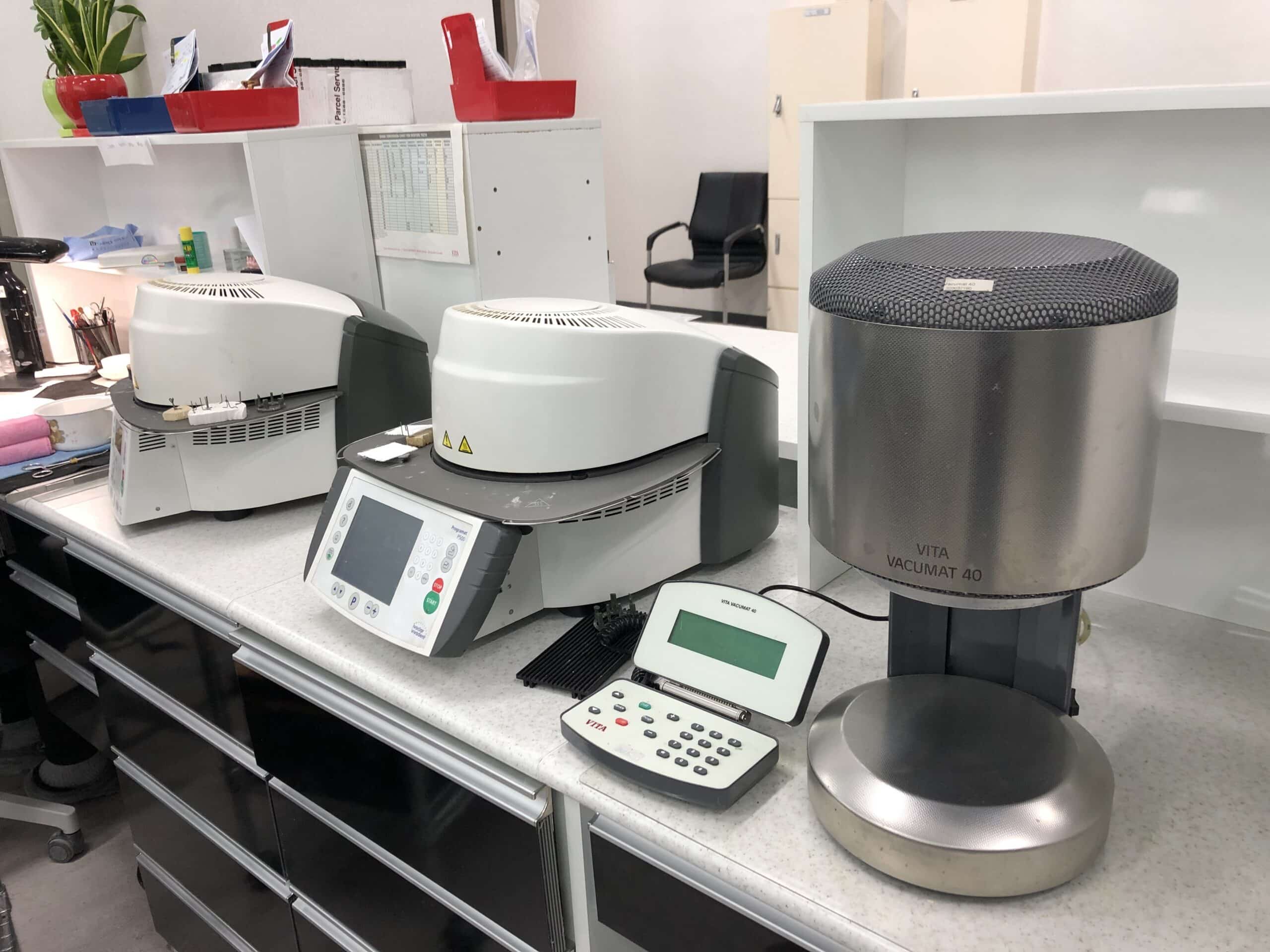
Dental Laboratory Partner for High-Volume Clinics
This is not conventional dental laboratory outsourcing. This is a controlled production partnership designed for precision-driven dental laboratories facing capacity constraints, staffing limitations, or inconsistency in output. As case volume increases, maintaining technician quality, training standards, and repeatable CAD/CAM execution becomes increasingly difficult. Our model addresses these challenges through a structured workflow that preserves technical integrity across all restorations. Each case is produced under defined parameters to ensure consistency in contacts, occlusion, marginal integrity, and anatomical form. We do not operate as a low-cost offshore laboratory and do not compete within that segment. Our focus is to support established laboratories in Switzerland, Europe, and globally that require reliable production without compromising standards. This model is built for laboratories prioritising precision, scalability, and long-term operational stability.
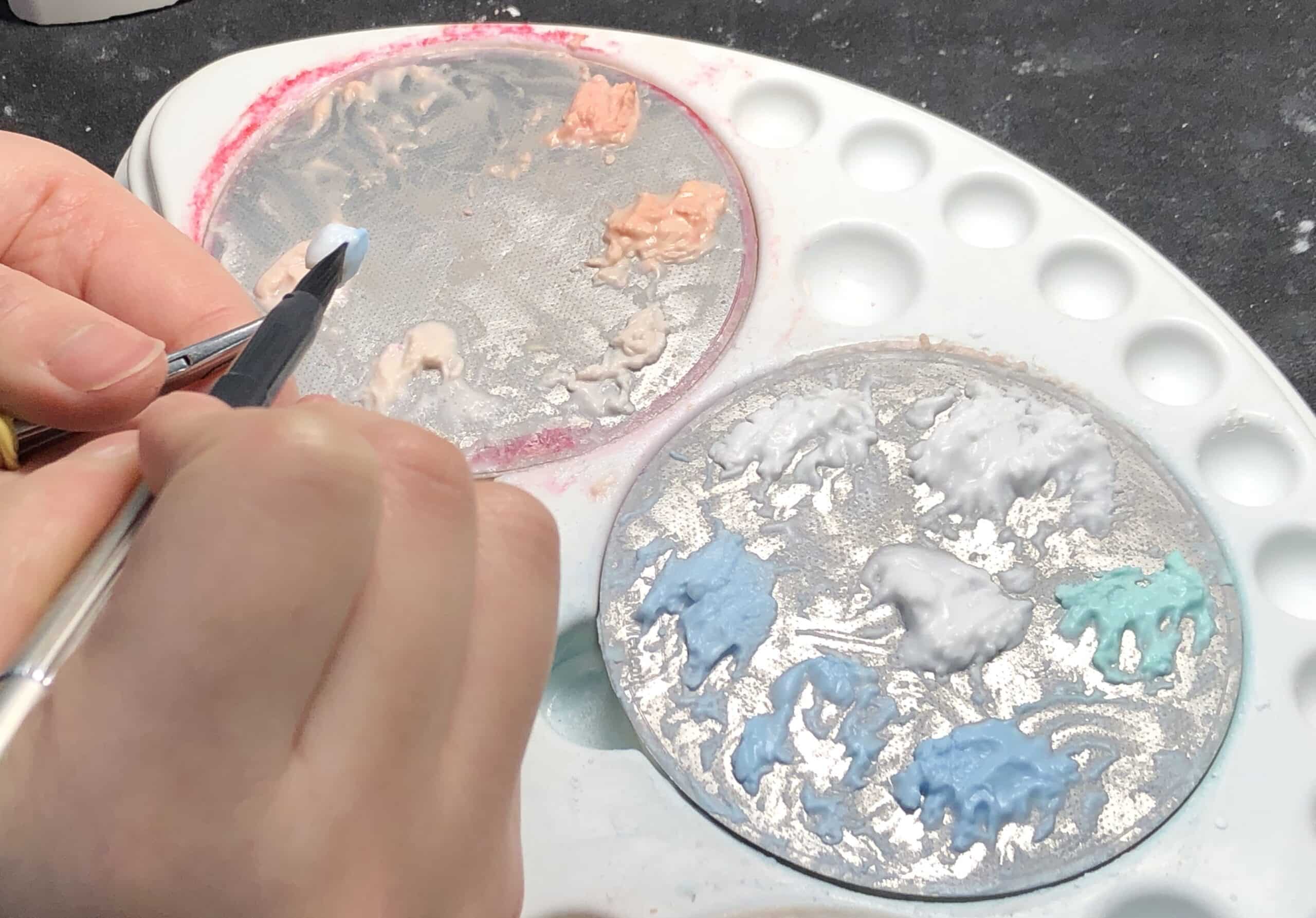
Porcelain layering performed by formally trained dental technicians to ensure consistent fit, occlusion, and marginal integrity.
Not Conventional Outsourcing — A Controlled Production Extension
Structured Workflow Instead of Delegated Production
Traditional outsourcing delegates work with minimal control, often resulting in variability and inconsistent outcomes. Our model replaces that approach with a structured production system. Each restoration is manufactured under predefined parameters aligned with your laboratory’s standards. This ensures that output remains consistent regardless of case volume. The objective is not to shift workload externally, but to extend your laboratory’s capabilities without compromising control.
Maintaining Laboratory Identity and Standards
Every laboratory operates with its own technical philosophy. Our workflow is designed to preserve that identity. Contacts, occlusion, margin design, and aesthetic preferences are calibrated and documented during onboarding. These parameters are then consistently applied across all cases. This ensures that outsourced production reflects your laboratory’s standards, not an external interpretation.
Long-Term Operational Integration
This is not a short-term overflow solution. It is a long-term production integration designed to stabilise output as demand grows. By aligning workflows and maintaining structured communication, laboratories gain a dependable extension of their production capacity. This reduces reliance on unpredictable staffing and supports sustained growth.
Solving Technician Shortage and Training Limitations
Reducing Dependence on Skilled Technician Availability
High-level dental technicians are increasingly difficult to recruit and retain. Training new technicians requires time and introduces variability during development. Our model reduces dependency on internal staffing by providing consistent, calibrated production support. Laboratories can maintain output without being constrained by workforce limitations.
Eliminating Variability from Training Gaps
In-house training often results in inconsistent outcomes across technicians with varying experience levels. By standardising production parameters within a controlled workflow, we remove variability caused by uneven training. Each restoration follows the same calibrated process, ensuring uniform results across all cases.
Stabilising Production Without Expanding Headcount
Scaling a laboratory traditionally requires increasing staff, space, and operational overhead. Our approach allows laboratories to expand production capacity without proportional increases in internal resources. This creates a more efficient structure while maintaining quality and control.
Advanced CAD/CAM Capability with Controlled Execution
Precision-Driven Digital Design Workflow
All restorations are designed within a structured CAD/CAM environment that prioritises marginal accuracy, occlusal balance, and anatomical consistency. Digital workflows are calibrated to align with your laboratory’s technical requirements. This ensures repeatable outcomes and reduces reliance on subjective interpretation.
Compatibility with Digital Input Systems
We support integration with intraoral scanning systems including iTero, TRIOS, Medit, and CEREC, as well as laboratory-based STL workflows. This enables seamless case transfer and eliminates inefficiencies associated with analogue processes. Digital compatibility ensures accuracy from scan to final restoration.
Repeatable Manufacturing Parameters
Once clinical and technical parameters are established, they are standardised across all cases. This ensures that each restoration is produced with consistent quality regardless of volume. Controlled execution is essential for laboratories managing high case loads.
Consistency Across All Restorations
Controlled Interproximal Contact Strength
Interproximal contacts are defined during calibration and maintained across all restorations. This ensures predictable seating and reduces adjustment time for clinicians. Consistent contact control is critical for maintaining laboratory reputation and client satisfaction.
Occlusal Accuracy and Functional Reliability
Occlusal schemes are established and applied uniformly across all cases. This ensures functional harmony and reduces clinical complications. Consistency in occlusion is essential for long-term restoration performance and patient outcomes.
Marginal Integrity and Fit Precision
Marginal design and fit are controlled through precise CAD/CAM processes. This ensures accurate adaptation and minimises risk of failure. Consistent marginal integrity supports both clinical success and laboratory credibility.
Clear Positioning — Not a Low-Cost Offshore Model
No Alignment with Price-Driven Outsourcing
We do not compete with laboratories that prioritise lowest-cost production. Price-driven outsourcing models often introduce variability and compromise quality. Our focus remains on delivering consistent, high-level technical results.
Designed for Quality-Focused Laboratories
This model is intended for laboratories that prioritise precision, reliability, and long-term performance. By maintaining strict production standards, we ensure alignment with laboratories that value quality over cost reduction.
Filtering Misaligned Enquiries
Laboratories seeking the lowest-cost solution will not find alignment with this model. This positioning is intentional and ensures that partnerships are based on shared priorities. This allows us to maintain consistency and performance across all collaborations.
Who This Model Is Designed For
Established Dental Laboratories
Laboratories with an existing client base that require additional capacity without compromising standards. This includes laboratories experiencing growth or increased demand.
Quality-Driven Laboratory Owners
Owners who prioritise technical precision, consistency, and long-term reputation over short-term cost savings. This model supports maintaining those standards at scale.
Laboratories Facing Staffing Constraints
Laboratories struggling with technician recruitment, retention, or training limitations. This model provides a stable production solution without increasing internal headcount.
Getting Started — Calibration and Integration
Initial Case Calibration
A defined set of cases is used to establish technical parameters, including contacts, occlusion, margins, and aesthetics. These cases are not routine production but serve as the foundation for alignment.
Structured Feedback and Adjustment
Detailed feedback is required during onboarding to refine parameters. Adjustments are made systematically to ensure accuracy and alignment with laboratory expectations.
Transition to Scalable Production
Once calibration is complete, production transitions to a scalable model. All future cases follow defined parameters, ensuring consistency without additional oversight.
Contact a Precision Laboratory Partner
Assess Current Production Limitations
Evaluate your current challenges including staffing, consistency, and capacity constraints. Understanding these limitations is essential for determining fit.
Determine Alignment and Integration
We assess your laboratory workflow and technical requirements to ensure alignment. This ensures that expectations are clearly defined before engagement.
Implement a Controlled Production Model
Where appropriate, a structured integration plan is established. This includes calibration, workflow alignment, and scalable production implementation. The objective is stable, long-term performance.