
Dental Laboratory Outsourcing Services

Dental laboratory outsourcing for dentists
Dental laboratory outsourcing for dentists delivering crowns, bridges, veneers, and implant restorations with consistent quality, digital workflow, and reliable turnaround.
A DEPENDABLE LABORATORY PARTNER FOR GROWING PRACTICES
Dentists need more than a laboratory that can simply manufacture crowns. They need a dependable production partner that understands clinical expectations, communication, consistency, and the pressure of running a busy practice. ODL Seoul provides dental laboratory outsourcing for dentists who want to expand capacity without lowering restorative standards. We support zirconia, IPS e.max, veneers, implant restorations, bridges, dentures, and complex cases through digital or conventional workflows.
Moreover, practices can submit scans directly through major scanner platforms or standard STL files, reducing unnecessary handovers. Our licensed technicians combine formal education with extensive hands-on experience, while demanding cosmetic and implant cases receive the additional attention they require. Instead of competing as a low-cost offshore laboratory, we focus on dependable quality, efficient wholesale production, and long-term partnership. Therefore, dentists can grow restorative volume while maintaining the clinical standards their patients expect.
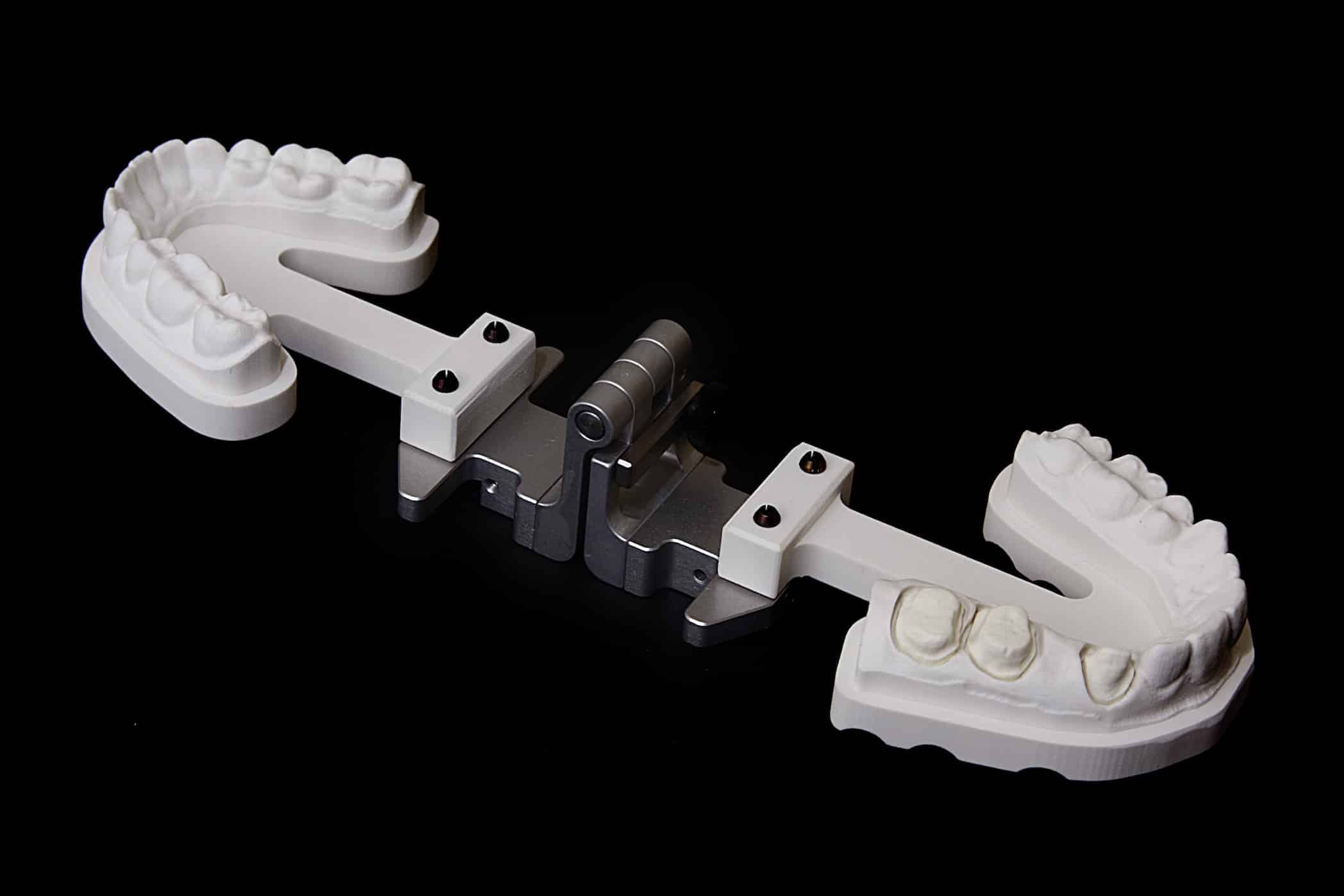
High-Volume Dental Clinics Need Predictable Laboratory Workflow
High-volume dental clinics cannot afford laboratory delays, inconsistent restorations, or workflows that create unnecessary chair time. As case numbers increase, small inefficiencies quickly become operational problems affecting clinicians, staff, scheduling, and patients. Dental laboratory outsourcing can provide additional production capacity without requiring practices to recruit technicians or expand an in-house laboratory. However, capacity alone is not enough. ODL Seoul focuses on predictable case handling, consistent restorative standards, organised digital submission, and clear communication throughout production. Moreover, established workflows help practices coordinate larger case volumes while maintaining control of clinical expectations. Cosmetic, implant, and technically complex cases receive additional attention when required rather than being forced through a routine production schedule. Therefore, high-volume practices can use outsourcing strategically to increase capacity, reduce operational pressure, and maintain the restorative quality expected across a busy clinical environment.
Manage Case Volume Without Creating Bottlenecks
Growing case numbers can expose weaknesses in laboratory coordination quickly. Delayed prescriptions, unclear case status, inconsistent turnaround, and repeated corrections disrupt the clinical schedule. Therefore, we encourage structured submissions and clear case information from the beginning. Dental laboratory outsourcing gives busy practices additional production capacity while keeping workflow organised. Moreover, predictable communication helps staff manage appointments and case expectations more confidently as restorative volume increases.
Batch Cases for More Predictable Production
Submitting cases in organised groups can improve production planning and international shipping efficiency. Instead of reacting to individual cases throughout the week, high-volume practices can establish regular submission schedules that suit their clinical workflow. Moreover, batching may reduce administrative effort and freight cost per unit. Dental laboratory outsourcing becomes easier to manage when both sides understand expected case volume, submission timing, and delivery requirements. Therefore, recurring workflow often becomes more efficient as the partnership develops.
Reduce Adjustments and Protect Chair Time
Chair time becomes increasingly valuable as restorative volume grows. Repeated contact adjustments, occlusal corrections, and remakes can turn small laboratory inconsistencies into significant clinical disruption. We focus on clear prescriptions, accurate records, and disciplined production to reduce avoidable corrections. However, the quality of the scan, bite, and clinical information remains equally important. Better collaboration allows dental laboratory outsourcing to support smoother seating appointments rather than simply moving fabrication elsewhere.
Plan Around Realistic Turnaround Times
Predictable turnaround helps clinicians schedule treatment with greater confidence, particularly for multi-unit, cosmetic, and implant cases. Our typical laboratory production time for straightforward cases is approximately five working days after receiving complete information. However, complex aesthetic work, implant restorations, and long-span bridges may require additional time. Therefore, we encourage practices to identify important deadlines before submission. Clear expectations make dental laboratory outsourcing more dependable and reduce unnecessary rescheduling for both the practice and patient.
Scale Production Without Expanding Fixed Overhead
Building additional internal laboratory capacity requires technicians, equipment, software, maintenance, training, and management. Outsourcing selected production can provide a more flexible alternative when demand increases. Moreover, practices can keep certain services in-house while sending suitable restorative work to ODL Seoul. This allows capacity to expand according to actual case volume rather than permanent overhead. Therefore, dental laboratory outsourcing can support growth while allowing the practice to retain control over clinical care, staffing, and long-term business decisions.
Consistency Across Crowns, Veneers and Implant Restorations
Consistency matters because small laboratory variations can become large clinical problems when case volume increases. Margins, proximal contacts, occlusion, contour, shade, and emergence profile all influence seating, adjustment time, and the patient experience. At ODL Seoul, we use structured workflows and experienced technicians to reduce unnecessary variation across crowns, veneers, bridges, and implant restorations. Moreover, digital records allow us to review preparations, opposing dentition, bite relationships, photographs, and prescriptions before fabrication begins. Dental laboratory outsourcing works best when the laboratory and dentist share clear standards from the outset. However, no laboratory can compensate for incomplete or inaccurate clinical records, so we communicate when information needs clarification. Therefore, our goal is not to promise identical outcomes in every situation. We aim to deliver repeatable technical quality that supports efficient seating, fewer avoidable corrections, and greater confidence across a growing restorative workload.
Reduce Remakes by Finding the Cause
Every remake costs more than the laboratory fee. It can consume chair time, disrupt schedules, and delay treatment for the patient. We review the supplied records, design, materials, and production steps when a problem occurs rather than simply repeating the same restoration. Moreover, dental laboratory outsourcing becomes more valuable when recurring issues are identified and corrected. Our objective is to reduce avoidable variation and improve the workflow with each case.
Predictable Margins, Contacts, and Occlusion
Accurate margins, stable proximal contacts, and appropriate occlusion are fundamental to efficient seating. Digital design helps us evaluate these relationships, but the quality of the scan and bite record remains critical. Therefore, we review the available clinical information before fabrication and request clarification when something appears unreliable. A disciplined dental laboratory outsourcing workflow can support more predictable restorative delivery while reducing unnecessary chairside adjustments caused by preventable laboratory variation.
Aesthetic Consistency Across Anterior Cases
Anterior cases require repeatable control of value, contour, translucency, texture, and incisal character. Small differences become obvious when several veneers or crowns sit beside one another. Moreover, photographs and shade information help our technicians maintain visual continuity across multi-unit cases. We use dental laboratory outsourcing to support aesthetic consistency without forcing every restoration into an identical appearance. Natural results still require individual judgement, especially when matching untreated neighbouring teeth.
Implant Restorations Require Controlled Accuracy
Implant restorations demand careful attention to component compatibility, restorative space, emergence profile, and occlusion. We use genuine implant components whenever specified and available, and we verify the submitted implant information before production. Moreover, digital workflows help us coordinate scan data and restorative design efficiently. Dental laboratory outsourcing should not add uncertainty to an implant case. Therefore, we communicate when scan bodies, libraries, components, or clinical records require confirmation before fabrication begins.
Consistency Matters More as Volume Grows
Consistency becomes more important as case volume grows because small variations can multiply across dozens of restorations. We establish repeatable production standards while still respecting case-specific prescriptions and clinical requirements. Moreover, long-term partners allow our technicians to learn preferred contacts, contours, occlusion, and aesthetic expectations over time. Dental laboratory outsourcing can then function as an extension of the practice, providing additional capacity without turning high-volume restorative work into anonymous commodity production.
Digital Dental Laboratory Outsourcing Workflow
Digital dentistry works best when case information moves quickly without losing clinical detail. ODL Seoul accepts digital submissions through iTero, TRIOS, Medit, CEREC, and standard STL workflows, allowing dentists to send scans, photographs, prescriptions, and shade information directly to the laboratory. Moreover, digital case submission reduces physical handling and lets production begin sooner once complete records arrive. However, technology does not remove the need for clinical judgement. Our technicians still review margins, bite relationships, restorative space, implant information, and aesthetic requirements before fabrication. Dental laboratory outsourcing should integrate with the systems a practice already uses, not force unnecessary changes. Therefore, fully digital practices can maintain their existing workflow, while clinics using PVS impressions can continue sending conventional cases when appropriate. This flexibility allows practices to adopt digital dentistry at their own pace while keeping communication, production, and case management organised.
Seamless Digital Case Submission
Digital impressions allow us to receive usable case records without waiting for a physical impression to travel internationally. Dentists can submit scans together with photographs, prescriptions, shade information, and supporting records. Moreover, complete digital information lets our technicians begin case review sooner. Dental laboratory outsourcing becomes easier to organise when files follow a consistent submission process. If information is incomplete, we request clarification before fabrication rather than relying on assumptions.
Compatible with Major Digital Systems
ODL Seoul can work with iTero, TRIOS, Medit, CEREC, and standard STL-based workflows. The exact transfer method depends on the scanner platform, available laboratory connection, and file-export permissions. Therefore, most practices can continue using equipment already integrated into their clinical workflow. We do not require dentists to purchase a new scanner simply to work with us. Where direct platform transfer is unavailable, standard STL files provide a practical alternative.
Digital Communication Keeps Clinical Details Together
A digital case is more than the scan itself. Photographs, stump shade, bite records, prescriptions, provisional references, and implant information can all influence the restoration. Therefore, we encourage practices to keep relevant records organised with each submission. Moreover, direct digital communication allows our technicians to raise questions before production advances too far. Dental laboratory outsourcing works more predictably when the laboratory receives the clinical context needed to interpret the scan correctly.
Conventional PVS Impressions Are Still Welcome
Not every case needs to be digital. ODL Seoul continues to accept conventional PVS impressions when the dentist prefers a physical workflow or when clinical circumstances make it more appropriate. Accurate impressions, opposing records, bite information, and prescriptions can be shipped directly to the laboratory. Moreover, some complex cases may benefit from combining physical and digital records. Dental laboratory outsourcing should support the clinician’s workflow rather than forcing technology where it adds little value.
Digital Submission Removes Distance from Case Initiation
A local laboratory no longer has an automatic advantage simply because it is nearby. With a complete digital submission, ODL Seoul can receive and review case information from another country without waiting for impression pickup or physical transport. However, finished restorations still require international delivery, so shipping time remains part of the overall schedule. Digital dental laboratory outsourcing mainly shortens and simplifies the front end of the workflow while improving access to specialised production.
Move Between Digital and Conventional Workflows
Practices do not need to become fully digital overnight. Some cases can arrive through scanner platforms or STL files, while others can continue through conventional impressions. Moreover, a mixed workflow allows clinicians to choose the record that best suits the patient and restoration. ODL Seoul can support both pathways within one laboratory relationship. Therefore, dental laboratory outsourcing can remain practical during a gradual digital transition without requiring the practice to redesign every clinical process at once.
Turnaround Time and Case Planning
Reliable turnaround starts with realistic production planning, complete case information, and clear communication between the practice and laboratory. At ODL Seoul, our typical in-laboratory production time for straightforward restorations is approximately five working days after we receive complete and usable records. However, shipping time is separate and varies by destination and courier service. Implant restorations, highly aesthetic cases, removable prosthetics, long-span bridges, and complex rehabilitations may require additional production time because design, verification, and finishing become more demanding. Moreover, we do not shorten fabrication simply to meet an unrealistic appointment date. Dental laboratory outsourcing works best when the clinical schedule reflects the complexity of the case. Therefore, we encourage dentists to identify important deadlines before submission. This allows our team to confirm whether the requested timing is practical, coordinate production appropriately, and help practices plan seating appointments with greater confidence.
Approximately Five Working Days in the Laboratory
Straightforward crowns and similar restorations typically require approximately five working days in our laboratory once complete case information is available. This timeline covers production only and does not include international shipping. Moreover, incomplete scans, prescriptions, photographs, or bite information may delay the start of fabrication. Dental laboratory outsourcing becomes more predictable when both sides understand when production officially begins and allow sufficient time for final delivery.
Complex Cases Need More Production Time
Implant restorations, highly aesthetic anterior cases, removables, long-span bridges, and full-mouth rehabilitation require additional planning and technical work. Therefore, we do not apply the same turnaround target to every restoration. Complex cases may involve design review, component verification, layering, additional photography, or more detailed finishing. Dental laboratory outsourcing should allow technicians the time required to complete demanding work properly rather than forcing every case through a routine production schedule.
Plan the Seating Appointment After Case Review
We recommend allowing the laboratory to review complex cases before committing to a final seating date. A requested deadline may be realistic for one restoration but unsuitable for another. Moreover, shipping time can vary by country and courier service. Once we understand the case requirements, we can provide a more practical production expectation. This approach helps practices schedule with greater confidence and reduces unnecessary pressure on both the clinical and laboratory teams.
Tell Us About Critical Deadlines Early
If a patient has travel plans, a scheduled surgery, a major event, or another fixed deadline, tell us when submitting the case. Early communication gives us an opportunity to evaluate whether the required timing is achievable. However, we will not promise an unrealistic turnaround simply to accept an order. Dental laboratory outsourcing works best when the dentist and laboratory agree on priorities before fabrication begins rather than attempting to solve scheduling problems near completion.
Predictability Matters More Than Rushing
Fast production has little value when the restoration requires extensive adjustment or remake. Our goal is to provide a dependable workflow that balances efficiency with the technical requirements of each case. Moreover, predictable case planning helps practices manage patient expectations and protect valuable chair time. Dental laboratory outsourcing should create greater control over the restorative schedule, not encourage unrealistic deadlines that compromise communication, craftsmanship, or final quality.
Shipping, Logistics and International Case Handling
International dental laboratory outsourcing depends on more than fabrication quality. Shipping, case identification, documentation, tracking, and realistic delivery expectations all affect the clinical schedule. ODL Seoul uses established international courier services such as DHL, FedEx, and UPS, where available and appropriate for the destination. Moreover, digital submission allows production to begin without waiting for impressions to travel when the case starts with an intraoral scan or STL file. Finished restorations still require physical delivery, so transit time remains separate from laboratory production time. We package completed cases carefully and provide tracking information for international shipments whenever available. However, customs procedures, local import requirements, weather, and courier disruptions can occasionally affect delivery. Therefore, dental laboratory outsourcing works best when practices allow appropriate transit time and avoid scheduling critical seating appointments too tightly around an estimated arrival date.
Established International Courier Networks
We use established global courier services according to destination, availability, and shipment requirements. Tracking allows both sides to follow the package during transit and identify unexpected delays quickly. Moreover, regular shipping patterns can become easier to manage as case volume develops. Dental laboratory outsourcing still involves international transit, so we distinguish laboratory production time from courier delivery time when planning each case.
Digital Submission Reduces Physical Transit
Digital cases can reach ODL Seoul immediately through compatible scanner platforms, cloud-based transfer, or standard STL files. Therefore, production can begin once complete clinical records are received and reviewed. Photographs, prescriptions, bite information, and shade references can travel electronically with the case. This hybrid workflow reduces dependence on physical shipping at the beginning while reserving international courier services for delivery of completed restorations.
Conventional Impressions Require Careful Shipping
Practices using PVS impressions can ship physical cases directly to the laboratory. Accurate labelling, secure packaging, complete prescriptions, and appropriate supporting records help prevent avoidable delays after arrival. Moreover, tracking is especially valuable when original impressions or physical components are travelling internationally. Dental laboratory outsourcing can support conventional workflows effectively, but practices should include additional transit time compared with cases submitted entirely through digital records.
Batch Shipments for High-Volume Practices
High-volume practices may benefit from grouping completed cases into planned shipments rather than sending individual packages repeatedly. This can simplify logistics and may reduce the shipping cost allocated to each restoration. Moreover, scheduled dispatches help staff anticipate arrivals and coordinate patient appointments more efficiently. Dental laboratory outsourcing becomes easier to manage when case submission, production, and shipping follow an established rhythm instead of being handled reactively.
Customs and Import Requirements Vary by Country
International shipping requirements are not identical across every market. Documentation, customs processing, taxes, importer responsibilities, and medical-device requirements may vary according to destination and case type. Therefore, we review international shipping arrangements on a case-by-case basis when necessary. Dental laboratory outsourcing should include realistic regulatory and logistical planning rather than assuming that every country handles imported dental restorations in the same way.
Allow Transit Time Before Scheduling Patients
We recommend avoiding a final seating appointment immediately after the expected delivery date. Even reliable international couriers can experience customs, weather, transportation, or local delivery delays beyond the laboratory’s control. Moreover, allowing a small scheduling buffer gives the practice time to receive and review the restoration before the patient arrives. This approach makes dental laboratory outsourcing more practical and protects the clinical schedule from unnecessary disruption.
Cost vs Value in Dental Laboratory Outsourcing
Laboratory price matters, especially when restorative volume increases, but unit cost tells only part of the story. A lower fee loses value when a restoration requires repeated adjustment, remake, additional appointments, or unnecessary staff time. ODL Seoul approaches dental laboratory outsourcing through total clinical and operational value rather than bargain pricing. We offer wholesale-level production for professional clients while maintaining experienced technical fabrication and structured quality controls. Moreover, predictable fit, contacts, occlusion, and aesthetics can help practices use chair time more efficiently. Complex cosmetic and implant cases may cost more because they require additional technician time, design, or finishing. However, those requirements should be discussed rather than hidden inside unrealistic pricing. Therefore, we encourage dentists to compare laboratories on consistency, communication, production reliability, materials, and overall workflow—not simply the quoted price of a single crown.
Wholesale Pricing, Not Bargain Production
Our pricing reflects direct professional production rather than a low-cost mass-production model. We use efficient workflows to control cost while maintaining the technical attention required for reliable restorative work. Moreover, higher recurring volume can improve production and shipping efficiency. Dental laboratory outsourcing should help practices manage expenses without forcing them to accept lower restorative standards simply to achieve the cheapest possible unit price.
Count the Cost of Chairside Corrections
A laboratory invoice does not show the full cost of a restoration. Contact adjustment, occlusal correction, remake appointments, staff coordination, and patient rescheduling all consume clinical resources. Therefore, a cheaper crown can become expensive when problems recur. Consistent dental laboratory outsourcing can help reduce avoidable disruption by focusing on accurate records, disciplined fabrication, and clear communication before the case reaches the chair.
Complex Cases Should Be Priced Honestly
Highly aesthetic restorations, implants, long-span bridges, and complex rehabilitation may require additional design, technician time, materials, or finishing. We would rather price those requirements transparently than pretend every case carries the same production burden. Moreover, complexity should influence both the fee and the turnaround. Therefore, additional charges may apply when the clinical or technical requirements exceed routine production, and we aim to clarify unusual requirements before fabrication whenever practical.
Value Improves as the Partnership Develops
Long-term dental laboratory outsourcing becomes more efficient when both teams understand one another. Over time, our technicians learn preferred contacts, occlusion, contours, aesthetic expectations, and communication methods. Moreover, recurring volume allows shipping and case planning to become more organised. That familiarity can reduce unnecessary back-and-forth and make routine production easier to manage while still respecting the individual requirements of each patient.
Compare Performance Before Comparing Price
The most useful comparison is not one fee schedule against another. Send representative trial cases and evaluate fit, aesthetics, communication, workflow, turnaround, and consistency clinically. Then compare those results with your existing laboratory relationship. Dental laboratory outsourcing should earn volume through dependable performance, not simply an introductory discount. Therefore, we recommend making long-term decisions after seeing how the laboratory performs on the cases that matter to your practice.
What Dentists Can Outsource
Dental laboratory outsourcing can support much more than routine single crowns. ODL Seoul works with dentists across fixed, aesthetic, implant, removable, and complex restorative treatment using digital or conventional workflows. Cases may include zirconia, IPS e.max, veneers, PFM restorations, bridges, implant crowns, customised abutments, dentures, and full-mouth rehabilitation. However, each restoration requires different clinical records, materials, production steps, and turnaround expectations. We therefore review the prescription and supporting information before treating a case as routine production. Moreover, complex aesthetic, implant, and long-span work may require additional technician time and communication. Dentists can outsource selected products rather than transferring their entire restorative workload. This flexibility allows practices to retain preferred local services while using ODL Seoul where additional capacity or specialised production creates greater value. Ultimately, dental laboratory outsourcing should complement the dentist’s clinical workflow rather than dictate it.
Crowns and Bridges
We fabricate full-contour zirconia, layered zirconia, IPS e.max, PFM crowns, and multi-unit bridges according to the clinical prescription. Bridge complexity increases with span length, restorative space, occlusion, and supporting structures. Therefore, long-span cases may require additional design review and production time. Dental laboratory outsourcing can provide dependable fixed-restorative capacity while allowing dentists to maintain control of preparation design, material selection, occlusion, and the final clinical treatment plan.
Veneers and Aesthetic Restorations
Veneers and anterior restorations demand careful control of value, translucency, contour, texture, and incisal character. We encourage photographs, stump shade information, provisionals, and detailed aesthetic instructions for demanding cases. Moreover, monolithic and layered IPS e.max options allow different approaches depending on the clinical objective. Dental laboratory outsourcing for cosmetic dentistry works best when the technician receives enough visual and clinical information to understand the dentist’s intended result.
Implant Restorations
ODL Seoul supports implant crowns, bridges, and customised restorative components using digital and conventional workflows. Implant cases require accurate implant identification, compatible scan data, adequate restorative space, and clear component instructions. Moreover, we use genuine implant components whenever specified and available. Dental laboratory outsourcing should reduce uncertainty rather than introduce it, so we request clarification when implant libraries, scan bodies, restorative components, or other submitted information do not align before fabrication begins.
Dentures and Removable Prosthetics
Dentists can also outsource selected removable work, including flexible and cast removable prosthetics. These cases may require different records and production stages from fixed restorations, so we establish the workflow before fabrication begins. Moreover, digital files and 3D printed models can support certain stages when appropriate. Conventional records remain available where needed. Dental laboratory outsourcing, therefore, gives practices flexibility to combine removable and fixed production within one broader laboratory relationship.
Full-Mouth and Complex Restorative Cases
Full-mouth rehabilitation requires careful coordination of tooth position, occlusion, vertical dimension, aesthetics, provisionals, and restorative sequencing. We do not treat these cases as collections of unrelated crowns. Instead, we encourage comprehensive records and communication before definitive production. Moreover, complex cases generally require additional laboratory time. Dental laboratory outsourcing can support large rehabilitations effectively when the dentist retains clinical control, and the laboratory receives clear, verified information throughout the restorative process.
Digital or Conventional Case Submission
Dentists can submit cases through iTero, TRIOS, Medit, CEREC, standard STL files, or conventional PVS impressions. Digital workflows allow scans, photographs, prescriptions, and supporting information to reach ODL Seoul quickly. However, conventional impressions remain useful when they better suit the clinical situation. Dental laboratory outsourcing should adapt to the practice rather than force one submission method, allowing dentists to use the workflow most appropriate for each patient and restoration.
Who This Is For
Dental laboratory outsourcing works best for practices that value consistency, clinical efficiency, and dependable restorative quality over the lowest possible laboratory fee. ODL Seoul supports dentists who perform aesthetic, implant, restorative, and full-mouth treatment and need a laboratory capable of growing with their case volume. Moreover, our model suits practices that want direct communication, predictable production, and experienced technical support without expanding an internal laboratory. High-volume clinics can use us for additional capacity, while cosmetic practices may rely on us for demanding anterior and complex cases. However, we are not designed for buyers who select laboratories solely by unit price. Our focus remains long-term value, repeatable quality, and a working relationship that improves over time. Therefore, dentists who want a dependable production partner rather than another low-cost supplier are the best fit for our dental laboratory outsourcing model.
High-End Restorative and Cosmetic Practices
Practices providing veneers, anterior crowns, implants, and full-mouth rehabilitation need more than routine production. They require technicians who understand morphology, value, texture, occlusion, and restorative planning. Moreover, detailed photography and prescriptions allow us to interpret demanding aesthetic cases more accurately. Dental laboratory outsourcing through ODL Seoul suits clinicians who expect technical judgement alongside digital efficiency and want consistent support for high-value treatment.
Patient-Focused Dental Practices
Patients judge restorative treatment by comfort, appearance, function, and how smoothly treatment progresses. Repeated adjustments or remakes can undermine confidence and consume valuable appointments. Therefore, we focus on disciplined fabrication, clear communication, and careful case review. Dental laboratory outsourcing can help patient-focused practices protect chair time while maintaining dependable restorative standards. Moreover, better coordination between dentist and laboratory supports a smoother overall clinical experience.
High-Volume and Growing Clinics
Increasing case volume can strain an existing laboratory relationship quickly. High-volume practices need dependable capacity, organised case handling, and standards that remain stable as production grows. Moreover, dental laboratory outsourcing allows clinics to expand restorative output without adding technicians, equipment, or laboratory space internally. We support recurring case flow while giving cosmetic, implant, and complex work additional attention. Therefore, growth does not need to mean accepting mass-production standards.
Not for Price-Only Buyers
ODL Seoul is not intended for practices searching for the cheapest crown available. Low unit pricing provides little value when inconsistent work creates adjustments, remakes, delays, or lost chair time. Instead, our dental laboratory outsourcing model balances wholesale pricing with experienced technical production and long-term consistency. Moreover, demanding cases may carry additional charges when they require extra design, materials, or technician time. We compete on value and reliability, not bargain production.
Getting Started with Dental Laboratory Outsourcing
A successful laboratory relationship should begin with evidence, not a large commitment. We recommend starting dental laboratory outsourcing with approximately five to ten representative clinical cases that reflect the work your practice performs regularly. This gives both teams an opportunity to evaluate fit, contacts, occlusion, aesthetics, communication, turnaround, and case handling before volume increases. Moreover, the trial period allows our technicians to learn your preferences while your staff becomes familiar with submission and shipping procedures. There is no reason to abandon an existing laboratory immediately. Instead, ODL Seoul can work alongside your current providers while you evaluate our performance objectively. Once expectations are aligned, case volume can increase gradually according to your needs. Therefore, the transition remains controlled and commercially sensible. Our objective is to earn a larger share of your restorative work through consistent results, dependable communication, and demonstrated performance over time.
Begin with Five to Ten Trial Cases
Choose trial cases that represent your actual restorative workload rather than sending only the easiest crowns. Include zirconia, IPS e.max, veneers, implants, or bridges where appropriate. Moreover, varying the case mix gives you a better way to evaluate our technical capabilities. Dental laboratory outsourcing should be tested clinically before significant volume changes hands. Therefore, use the trial period to assess fit, aesthetics, communication, turnaround, and overall consistency against your existing laboratory experience.
Establish Your Preferred Workflow
Every practice develops preferences for contacts, occlusion, contour, shade communication, photographs, and prescription detail. During the initial cases, we learn how your team works and identify anything that needs clarification. Moreover, digital submission methods, file organisation, shipping, and communication can be standardised as the relationship develops. Dental laboratory outsourcing becomes considerably easier when both sides understand expectations. Therefore, early workflow alignment helps reduce unnecessary questions and makes future submissions increasingly efficient and predictable.
Keep Your Existing Laboratory During the Transition
There is no need to transfer your entire restorative workload immediately. Continue using your existing laboratory while sending selected cases to ODL Seoul for direct comparison. This keeps the transition controlled and gives your clinicians time to evaluate our work under normal clinical conditions. Moreover, using both laboratories initially reduces operational risk. Dental laboratory outsourcing should earn greater responsibility gradually. Therefore, increase our case volume only when our quality, communication, turnaround, and reliability consistently meet your expectations.
Increase Volume When the Results Justify It
Once the trial cases demonstrate consistent performance, you can increase volume at a pace that suits your practice. Some partners may begin with selected restorative categories, while others gradually transfer a broader case mix. Moreover, predictable volume allows us to plan production and shipping more efficiently. Dental laboratory outsourcing offers scalability without requiring additional internal technicians or equipment. Therefore, growth should follow proven results rather than promises, discounts, or pressure to make an immediate long-term commitment.
Build a Laboratory Relationship That Improves Over Time
The strongest outsourcing relationships become more efficient as both teams gain experience working together. Our technicians learn your restorative preferences, while your staff becomes familiar with case submission, communication, and scheduling. Moreover, recurring feedback helps refine the workflow and address patterns before they become recurring problems. Dental laboratory outsourcing should become easier, not harder, as volume grows. Therefore, we treat long-term collaboration as an ongoing process of improving consistency, communication, and production efficiency.