
Dental Laboratory Partner for High-Volume Clinics
This is not a conventional dental laboratory outsourcing model. This is a structured laboratory partnership designed for high-volume clinics requiring consistency, scalability, and clinical precision across all restorations. As case volume increases, many local laboratories struggle to maintain quality, turnaround times, and cost efficiency. Our model addresses these limitations through a controlled CAD/CAM workflow that ensures repeatable outcomes for contacts, occlusion, and marginal integrity. Each case is produced within defined parameters, eliminating variability and reducing chairside adjustments. We do not compete with low-cost offshore laboratories. Our focus is on clinics across Europe, Switzerland, the UK, and globally that require reliable, high-level technical execution. This model is built for practices that prioritise predictable clinical results and long-term efficiency over short-term cost reduction.
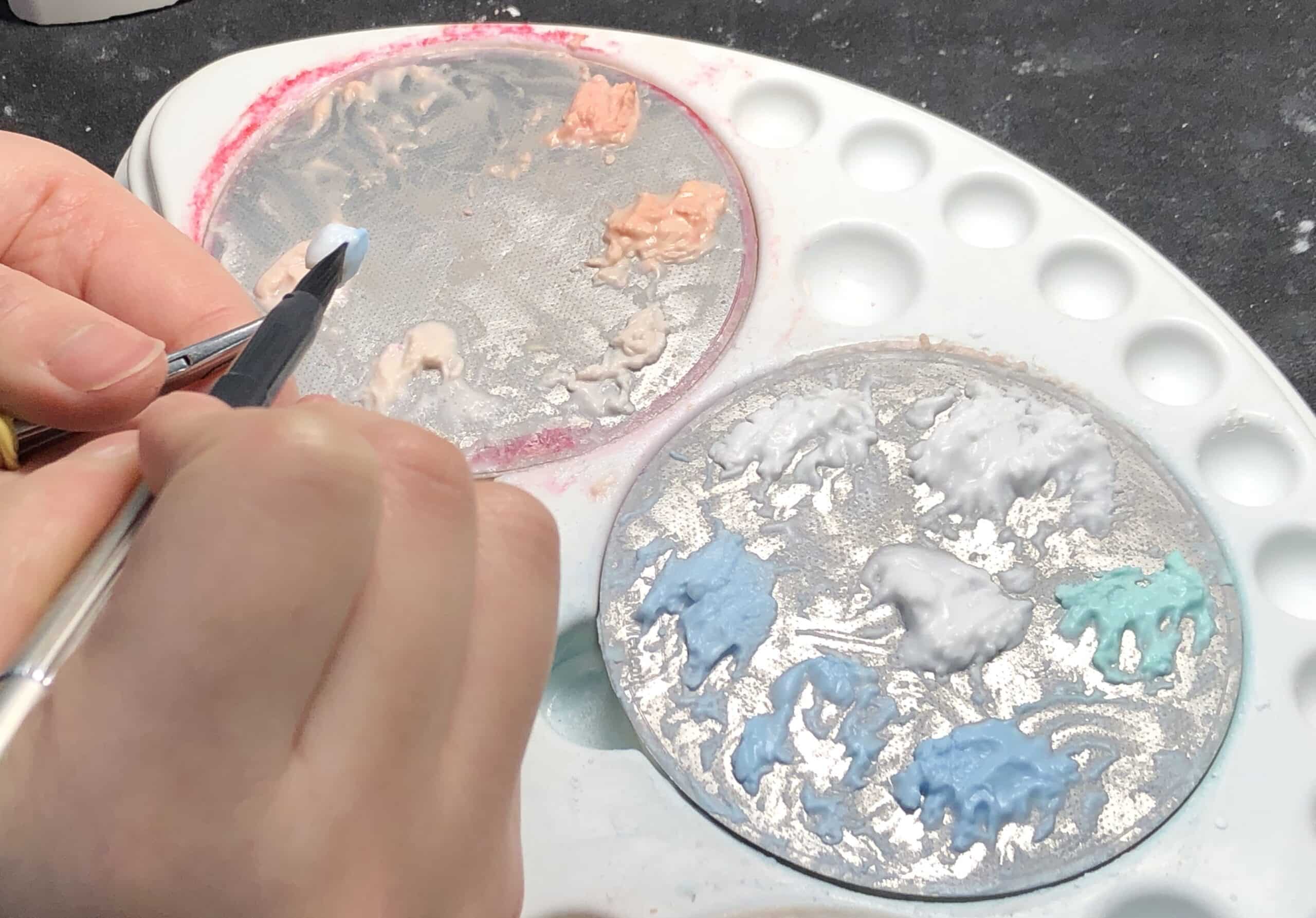
Hand-layered ceramic detailing to achieve precise aesthetics, occlusion, and marginal integrity.
Not Dental Lab Outsourcing. A Structured Clinical Partnership
Defined Clinical Parameters, Not Technician Interpretation
Each restoration is produced under defined clinical parameters rather than individual technician interpretation. Contacts, occlusion, marginal design, and anatomical form are standardised during initial calibration. This ensures consistency across all cases regardless of volume or complexity. The objective is to remove variability from the process and maintain repeatable outcomes. For high-volume clinics, this structured approach eliminates the inconsistencies commonly seen in traditional outsourcing models.
Integrated Workflow with Direct Clinical Alignment
We integrate directly into your clinical workflow, aligning design and production with your specific restorative preferences. This includes occlusal schemes, contact intensity, margin configurations, and aesthetic expectations. Communication is structured and purposeful, reducing ambiguity and improving efficiency. The result is a controlled workflow that reflects your clinical standards across all cases. This level of integration is essential for maintaining quality in high-volume environments.
Long-Term Partnership, Not Transactional Production
This model is designed for ongoing collaboration rather than individual case transactions. Initial calibration establishes alignment, followed by consistent execution across all future cases. Feedback loops are structured to refine and maintain accuracy over time. This approach supports growth without introducing variability. Clinics benefit from a stable, predictable laboratory partner capable of maintaining performance at scale, rather than relying on inconsistent case-by-case production.
Built to Replace High-Cost Local Dental Laboratories
Addressing Cost Without Compromising Clinical Quality
Local laboratories often increase fees as case volume grows, without improving consistency. Our model restructures cost without reducing clinical standards. By implementing controlled workflows and scalable production systems, we maintain precision while improving efficiency. This allows clinics to manage increasing demand without absorbing disproportionate laboratory costs. The focus remains on delivering reliable outcomes while optimising operational structure.
Scalable Production Without Variability
As volume increases, many laboratories struggle to maintain consistent results. Our system is designed to scale while preserving defined clinical parameters. Each case follows the same calibrated workflow, ensuring uniformity across all restorations. This eliminates inconsistencies associated with technician variation or production pressure. High-volume clinics benefit from stable performance regardless of workload or case complexity.
Reducing Remakes and Chairside Adjustments
Inconsistent laboratory output leads to increased chairside adjustments and remakes, impacting both time and cost. By maintaining strict control over contacts, occlusion, and marginal integrity, our workflow reduces these inefficiencies. The result is improved clinical flow and reduced disruption during delivery. Over time, this contributes to greater operational efficiency and more predictable treatment outcomes.
Digital Workflow Integration and CAD/CAM Control
All restorations are produced within a structured digital workflow designed to ensure precision and repeatability. We integrate with leading intraoral scanning systems, including iTero, TRIOS, Medit, and CEREC, as well as direct STL file submissions. Initial cases are used to establish detailed clinical parameters such as occlusal scheme, contact intensity, marginal design, and aesthetic preferences. These parameters are then standardised and applied across all subsequent cases. This approach removes variability between cases and ensures predictable outcomes regardless of production volume. The emphasis is not solely on digital convenience, but on maintaining strict control over design and manufacturing processes. For high-volume clinics, this level of integration and consistency is critical to maintaining efficiency and reducing clinical adjustments.
Clear Positioning — Not a Low-Cost Offshore Laboratory
We do not operate as a low-cost offshore dental laboratory and do not compete within that segment. Laboratories that prioritise labour cost reduction often sacrifice consistency, communication, and clinical reliability. Our model is positioned differently. We focus on delivering predictable, high-quality outcomes through controlled workflows and disciplined production standards. Clinics seeking the lowest possible pricing will find alternative providers more suitable. Our clients are practices that understand the long-term impact of inconsistency, including increased chairside time, remakes, and inefficiencies. By maintaining a clear positioning, we ensure alignment with clinics that prioritise performance, reliability, and long-term value. This distinction is particularly important in regulated and quality-driven markets such as Switzerland and broader Europe.
Consistency at Scale: Contacts, Occlusion, and Marginal Integrity
Standardised Contact Control
Interproximal contact strength is defined during calibration and maintained across all cases. This reduces the need for chairside adjustments and ensures predictable seating. Consistent contact control is essential for maintaining efficiency in high-volume practices. Our workflow ensures that each restoration meets defined specifications.
Occlusal Accuracy Across All Cases
Occlusal schemes are established based on clinical preference and applied consistently. This reduces variability and ensures functional harmony across restorations. Accurate occlusion is critical for patient comfort and long-term success. By standardising this parameter, we maintain reliability regardless of case volume.
Marginal Integrity and Fit
Marginal design and fit are controlled through precise CAD/CAM processes. This ensures accurate adaptation and reduces the risk of complications. Consistent marginal integrity contributes to long-term restoration performance. Our workflow prioritises precision at every stage to maintain clinical reliability.
Designed for High-Volume Clinics Across Europe and Globally
Supporting Clinics in Switzerland and Europe
Clinics across Switzerland and Europe require high standards of precision and consistency. Our model aligns with these expectations through controlled workflows and reliable execution. This ensures that restorations meet clinical and operational requirements across different regions.
Consistency Across Multi-Location Practices
Multi-location practices require uniform results across providers. Our structured workflow ensures that all cases follow the same parameters, regardless of location. This supports consistent clinical outcomes and simplifies management across teams.
Scalable Support for Growing Practices
As clinics expand, laboratory demands increase. Our model supports this growth by maintaining consistent output at higher volumes. This allows practices to scale without compromising quality or efficiency.
Getting Started — Calibration Before Scaling
Initial cases are used to establish alignment, not treated as routine production. A defined set of cases is submitted to calibrate clinical parameters, including contacts, occlusion, marginal design, and aesthetic expectations. Detailed clinical feedback is essential during this phase to ensure accurate alignment with your preferences. Once these parameters are established, they are standardised across all future cases, allowing production to scale without introducing variability. This structured onboarding process ensures that growth does not compromise quality. Clinics benefit from a controlled transition into a consistent and predictable laboratory workflow that supports long-term efficiency.
Contact a Dental Laboratory Partner
If your current laboratory cannot maintain consistency at your required volume, or if increasing costs are not matched by improved outcomes, it may be time to reassess your approach. We work with high-volume clinics across Switzerland, Europe, and globally to implement structured laboratory workflows that deliver consistent and predictable results. Contact us to review your current processes, case volume, and clinical requirements. We will determine alignment and outline a clear path for integration where appropriate. This is not a general laboratory service, but a controlled partnership designed to support high-performing practices.